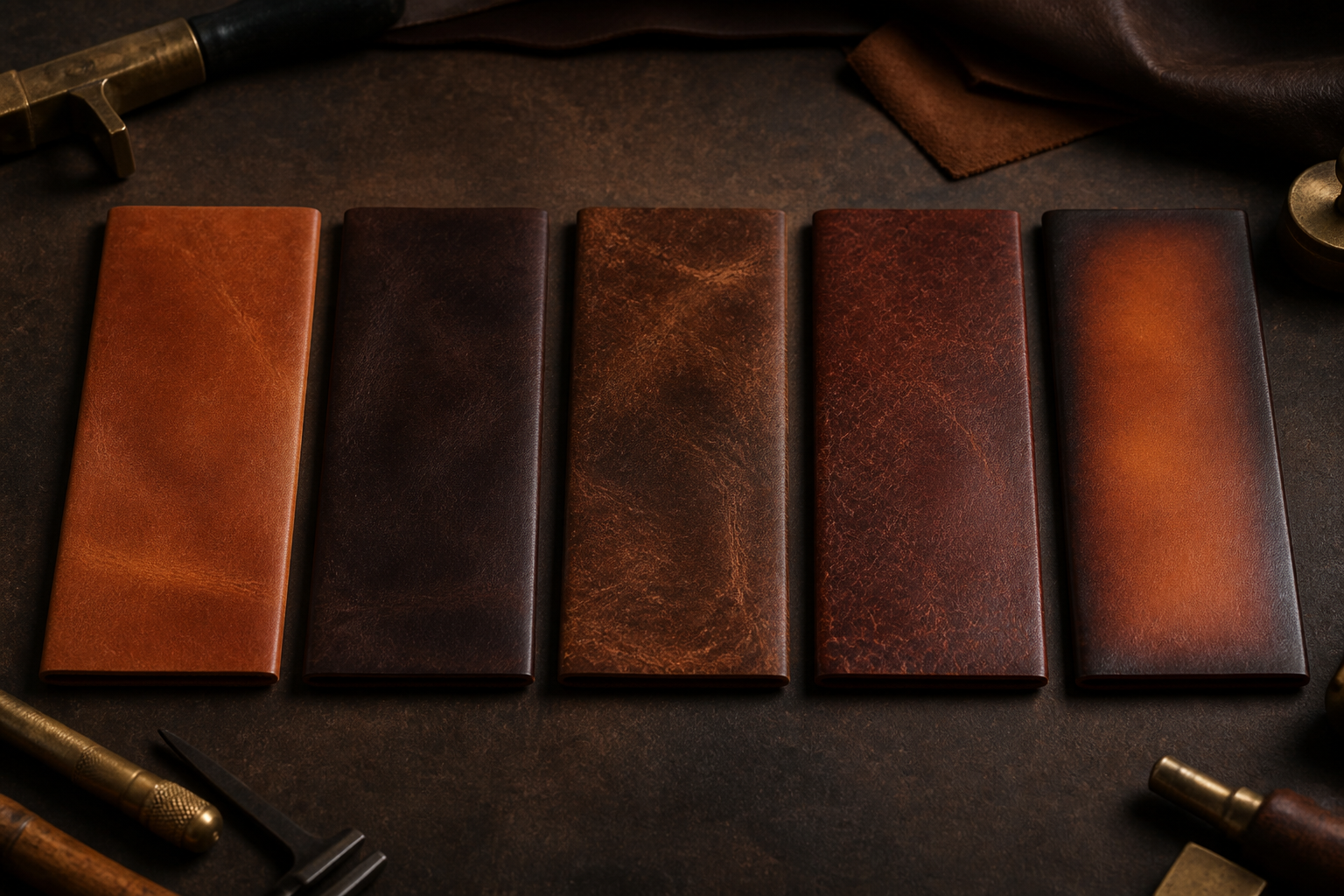
Short answer: vintage leather can be pull-up, waxed, distressed, burnished, two-tone, crackle or antique finished. These names describe appearance and finishing behavior—not the animal species or hide layer. A buyer must still specify cow, sheep, goat or another leather; grain or split construction; thickness; base color; top effect; hand feel and performance requirements.
What Makes Leather Look Vintage?
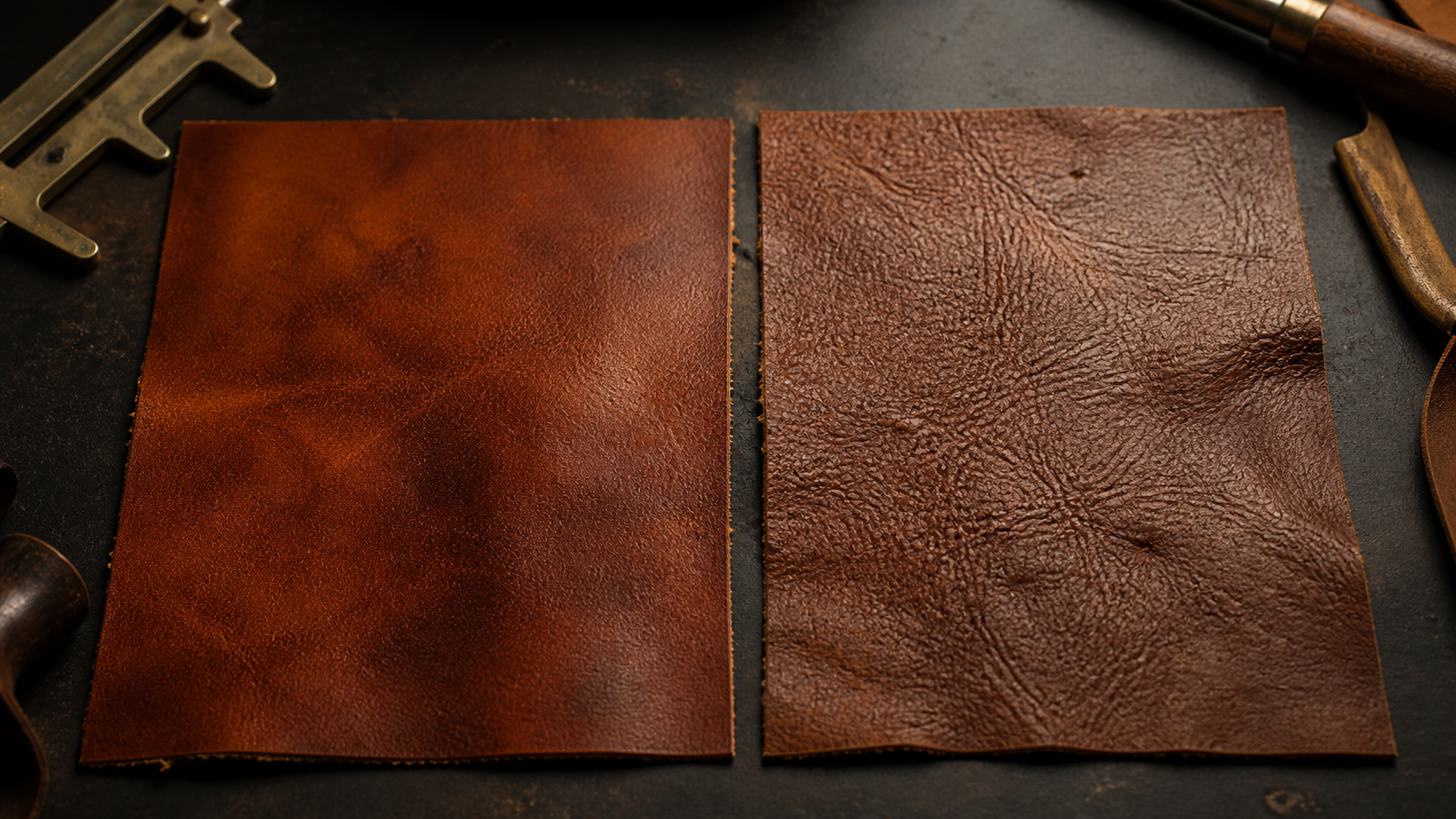
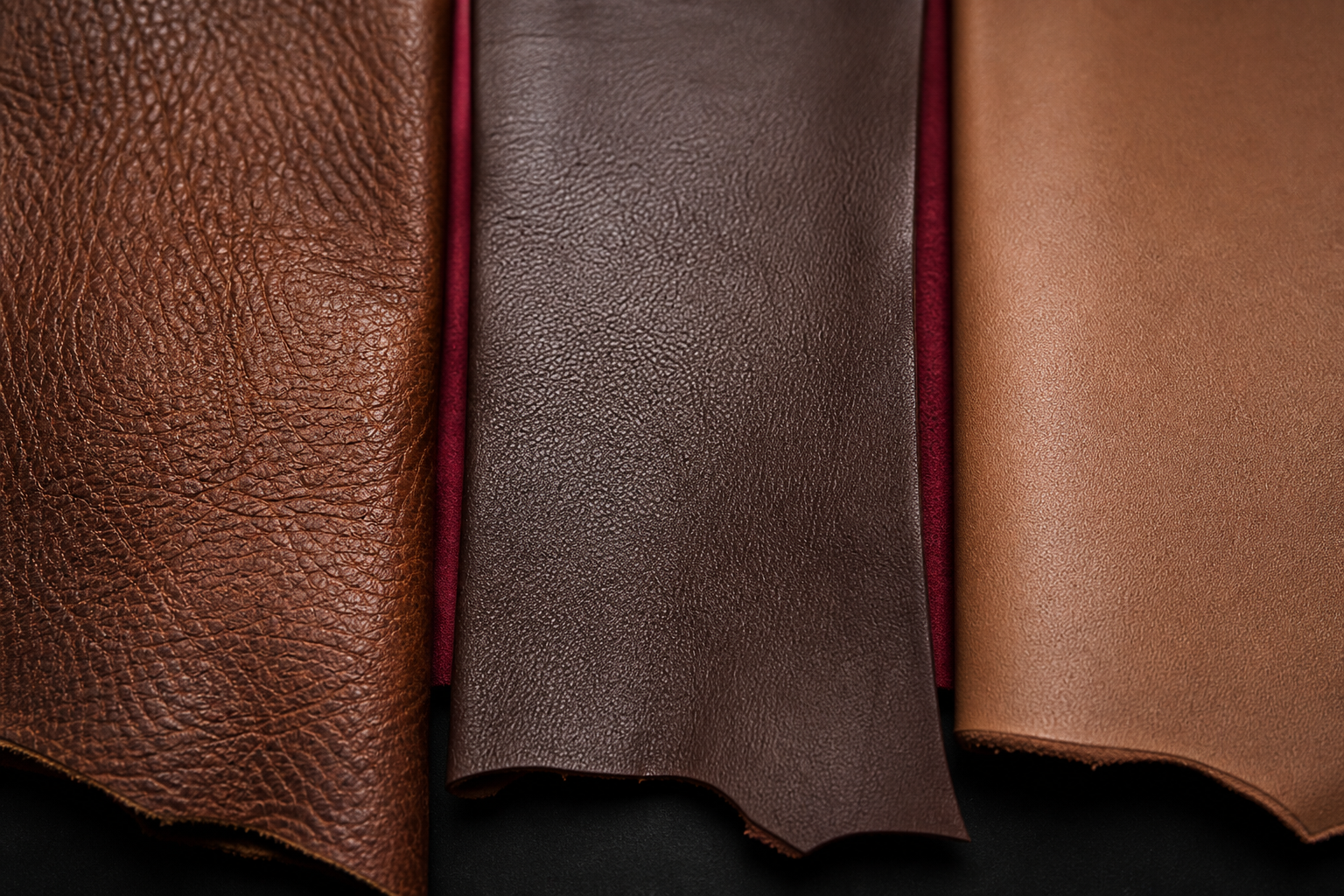
A vintage effect comes from controlled variation. Color may move when the leather flexes, edges may be darker, grain valleys may retain a contrasting shade, or the surface may show carefully developed rubbing and creasing. Oils, waxes, dyes, pigments, resins, mechanical action, hand finishing and garment washing can all contribute.
Good vintage leather looks intentional and improves with wear. Poorly controlled leather can look dirty, patchy or damaged, transfer color, lose its topcoat or vary too widely between garments. The difference is a sealed standard and a production method matched to the leather.
The Main Types of Vintage Leather
| Vintage type | Appearance | How it is made | Common use |
|---|---|---|---|
| Pull-up leather | Lightens when bent or stretched, producing natural tonal movement | Oil- and wax-rich finish | Heritage jackets, boots and bags |
| Waxed leather | Deep color, soft sheen and rub-responsive highlights | Wax applied during finishing or garment finishing | Cafe racers and premium outerwear |
| Distressed leather | Controlled worn areas, softened grain and seam contrast | Mechanical, hand-rubbed or wash effects | Biker and workwear styles |
| Burnished leather | Darker edges and selected high points with polished depth | Hand or machine rubbing with color and wax | Dress-casual jackets, bags and footwear |
| Two-tone leather | Contrasting base and top colors revealed by flexing or rubbing | Layered dyes, pigments or effect coats | Fashion jackets and statement accessories |
| Crackle leather | Fine broken top pattern that reveals an underlying shade | Special brittle or shrink-responsive effect coat | Vintage fashion panels and accessories |
| Antique leather | Mottled, aged depth with darkened recesses and edges | Layered staining, wiping, glazing or hand padding | Classic bags, belts and heritage garments |
1. Pull-Up Leather
Pull-up leather contains mobile oils and waxes in its finish. When the material bends, stretches or is pressed, these components move and the area becomes lighter. Rubbing can partially restore the original shade. This gives every crease a natural, evolving character.
Pull-up is especially effective on aniline or lightly protected cowhide, although recipes vary. Buyers should approve the lightening strength, recovery, gloss, rub fastness and temperature behavior because excessive oil migration can stain packaging or lining.
Read the complete pull-up leather guide for manufacturing stages, oil vs wax systems, identification, testing, specifications and care.
2. Waxed Leather
Waxed leather uses wax to create depth, touch and selective sheen. It may appear clean when new and develop brighter flex points with wear, or it may be hand worked for an immediate aged effect. Wax can be applied at the tannery, during finishing or to a completed garment.
The wax type and amount determine whether the leather feels dry, draggy, greasy or smooth. Test adhesion, heat resistance, cold crack and color transfer, especially for warm-climate shipping.
Read the complete waxed leather guide for wax types, manufacturing, wax pull-up, waxed suede, QC, specifications and care.
3. Distressed Leather
Distressed leather is intentionally worn to produce softened grain, lighter high points, darker recesses, crease marks or edge contrast. The effect can be developed on flat leather, by hand after sewing, or through a controlled garment-wash process.
Distressing should follow realistic wear zones such as seams, elbows, pocket edges and plackets. Random heavy abrasion can weaken the surface and make bulk pieces inconsistent. Define exactly where and how strongly the effect should appear.
Read the complete distressed leather guide for finishing methods, production controls, quality risks, specifications and care.
4. Burnished Leather
Burnishing builds darker color and polish on selected areas through friction, heat, wax, stain or glaze. It creates an elegant antique look rather than a rugged distressed appearance. On garments, burnishing is often concentrated around seams, collars, cuffs and panel edges.
5. Two-Tone Leather
Two-tone leather combines a base shade with a contrasting surface color. Flexing, wiping, rubbing or abrasion reveals the layer beneath, producing dramatic depth. The contrast may be subtle—dark brown over cognac—or deliberately bold.
Buyers should specify both colors, the reveal method and the acceptable contrast. If the top effect rubs away too easily, the product may age prematurely or transfer onto other materials.
Read the complete two-tone leather guide for layered color systems, manufacturing, testing, specifications and care.
6. Crackle Leather
Crackle finishes use a controlled effect layer that forms fine breaks as the leather flexes. The lines reveal another shade beneath and can create a rare archival appearance. Fine, well-bonded crackle is decorative; uncontrolled cracking, flaking or delamination is a defect.
7. Antique and Mottled Leather
Antique leather is produced through layered color, wiping, glazing, padding or hand staining. Darker color settles in recesses and around edges while raised grain remains lighter. Mottled effects can look cloudy or marble-like and are popular in bags, belts, footwear and classic outerwear.
Vintage Leather Is Not the Same as Old Leather
New leather with a vintage finish is deliberately manufactured to look aged. True vintage leather comes from an older product that has developed wear and patina over time. Reclaimed leather is recovered from existing articles, while “vintage-look” synthetic materials imitate the appearance on a non-leather substrate. Use accurate material descriptions in listings and labels.
Which Base Leather Works Best?
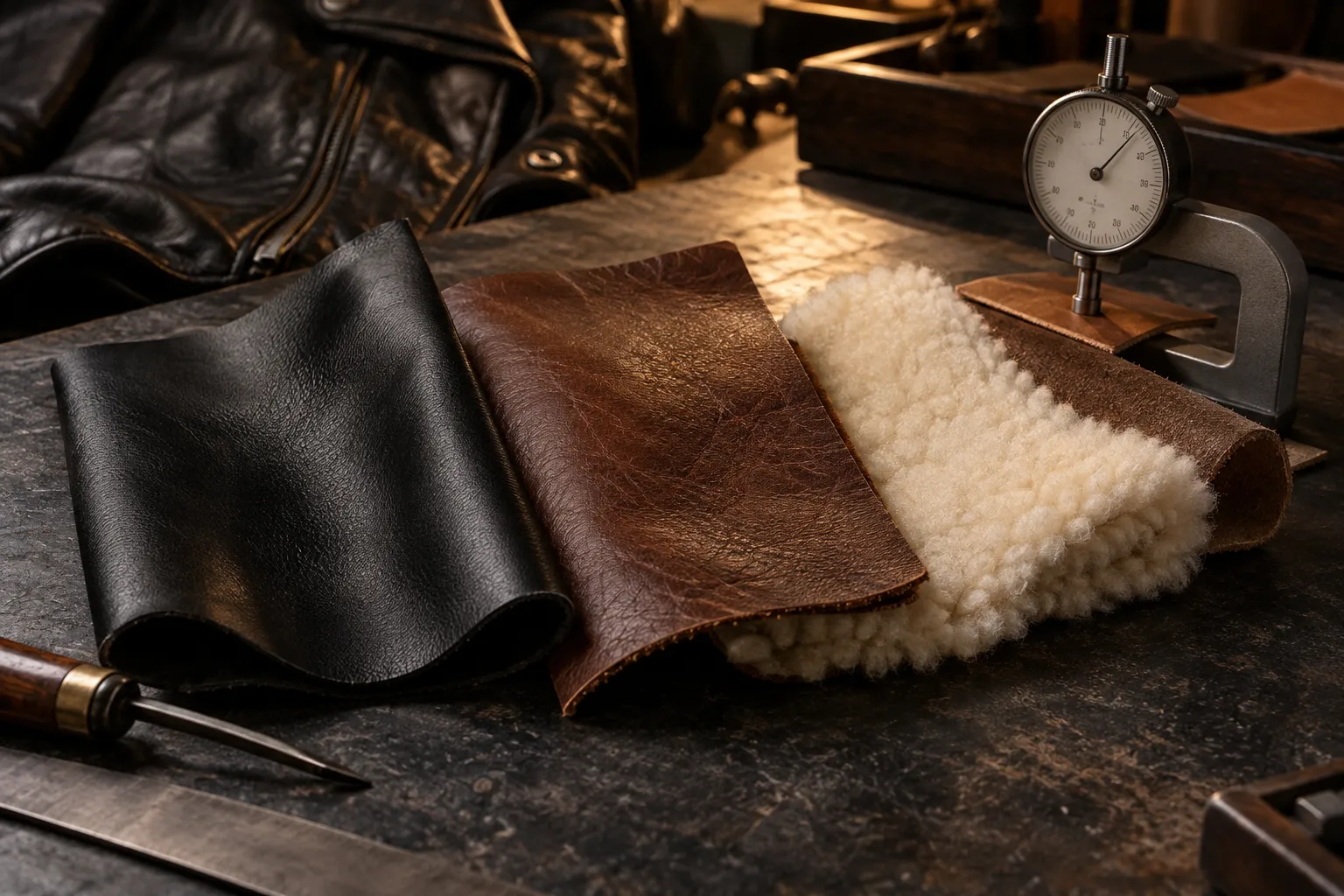
Cowhide offers body, grain definition and durability for pull-up, burnished and rugged distressed effects. Sheep and lamb provide softness and drape for lighter washed or hand-aged fashion garments. Goat has a recognizable grain and strong fibre structure, making it suitable for lightweight vintage jackets. Suede and nubuck accept tonal brushing and wax effects but require different care and colorfastness controls.
Buyer Quality-Control Checklist
How to Specify Vintage Leather in a Tech Pack
Do not write only “brown vintage leather.” State the animal species, leather layer, thickness range, tanning and finish type, base and top colors, gloss, hand feel, pull-up strength or distress intensity, approved placement, rub fastness, finish adhesion and care requirements. Attach color-controlled photos and seal a physical leather swatch plus a finished garment sample.
Because vintage effects intentionally vary, define the acceptable range before bulk production. The goal is controlled individuality: no two panels need to be identical, but every finished garment must still belong to the same approved collection.
Final Takeaway
The best vintage leather is selected by behavior, not by name alone. Pull-up gives living tonal movement, wax adds depth, distressing creates rugged wear, burnishing adds polish, two-tone finishes reveal contrast, crackle creates archival character and antique finishing builds layered color. Match the effect to the product, approve it on the final construction and test the surface before bulk production.