Expert pattern development
An experienced pattern master reviews measurements, construction and feasibility before leather is cut.
Loading...
Operational transformation case study
How repeated quality and pattern-control problems led Hashbloom International to build an experienced in-house team around buyer specifications.
Trigger
Quality issues across 2–3 outsourced cycles
Decision
Bring critical production stages in-house
Outcome
Direct control from tech pack to final QC
The starting point
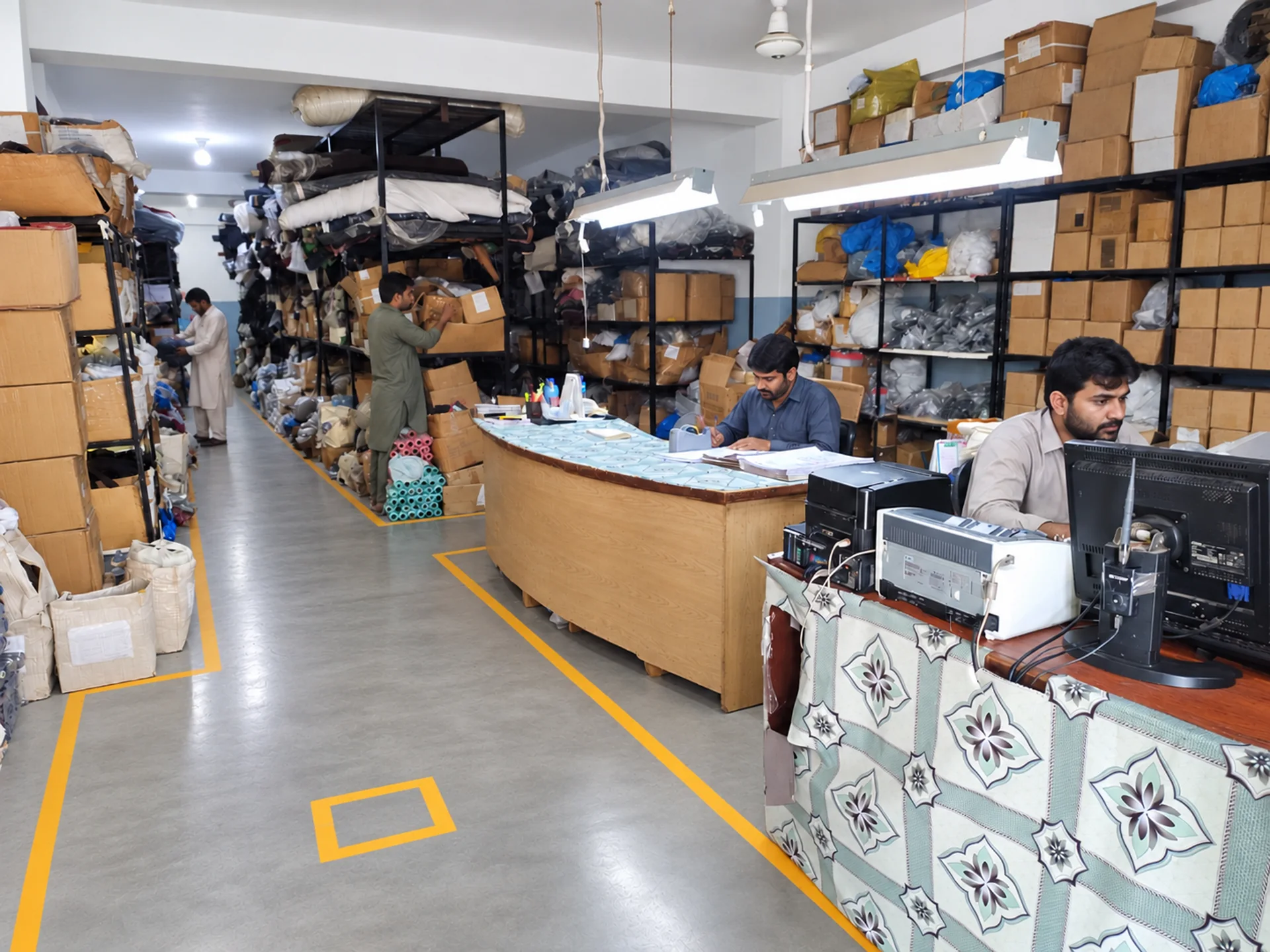
In our early years, we communicated with buyers, reviewed their tech packs and arranged leather, hardware and linings according to each specification. Cutting and stitching were then assigned to third-party production units.
The materials were correct, but completed garments did not consistently deliver the intended fit, design or workmanship. After seeing similar problems across two to three production cycles, we stopped treating them as isolated errors and examined the production system in depth.
Root-cause analysis
Patterns did not always follow the buyer's tech pack accurately.
Fit, proportions and design details varied between garments.
Inexperienced pattern cutting created errors before stitching began.
Late-stage inspection could not reverse mistakes already cut into leather.
The decision
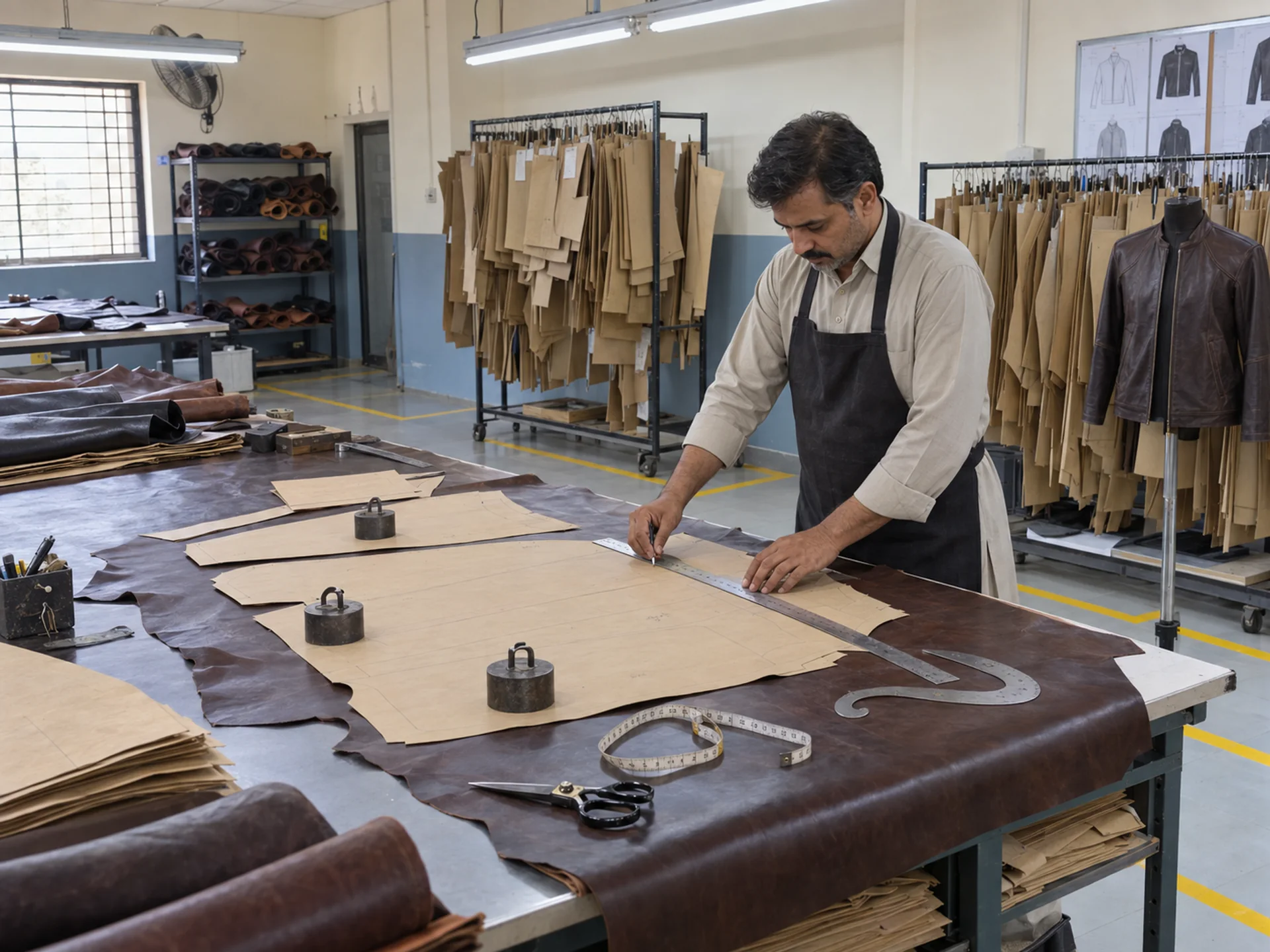
We established our own factory so responsibility for pattern making, cutting, stitching and quality would remain with one accountable team.
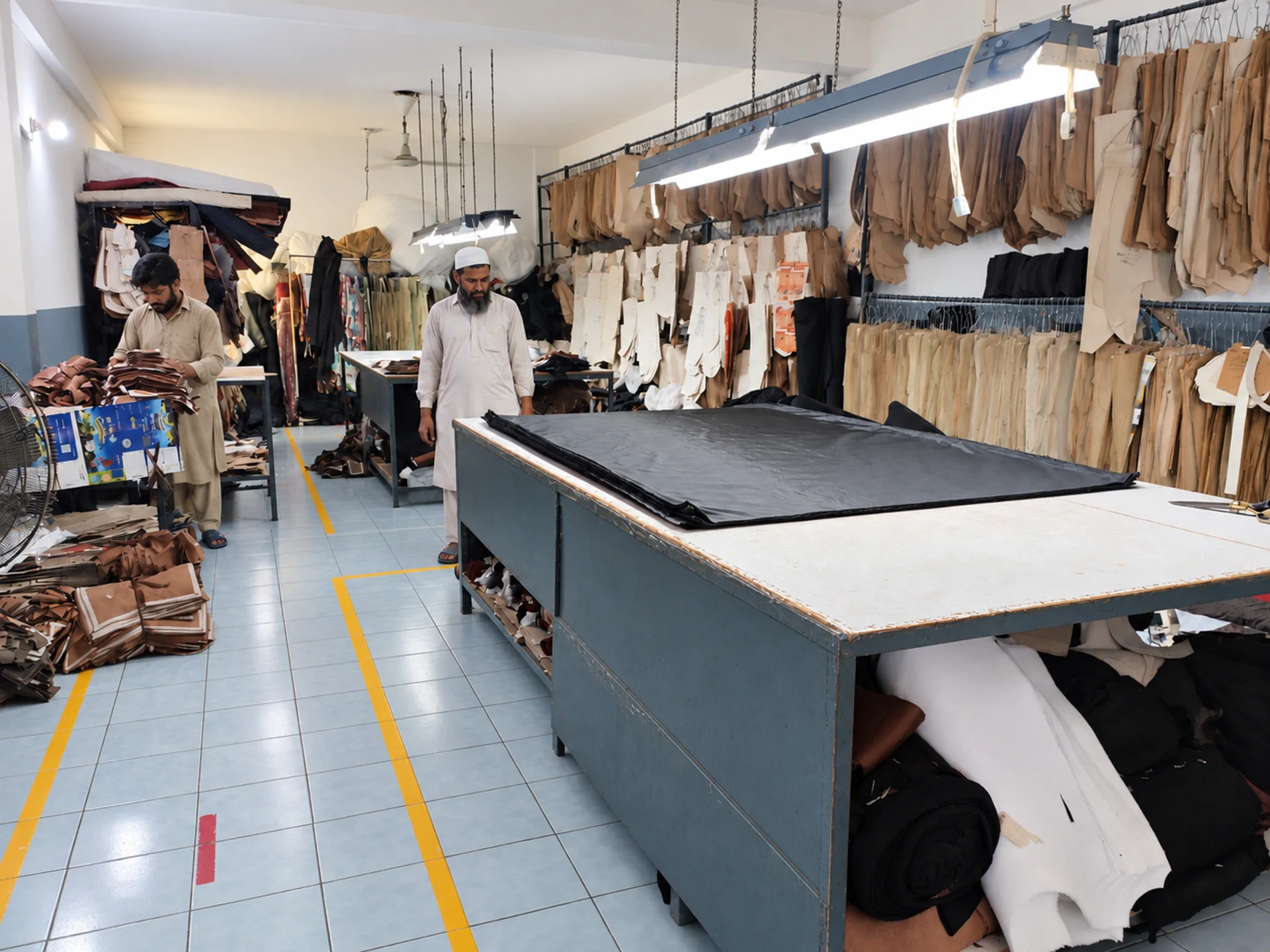
An experienced pattern master reviews measurements, construction and feasibility before leather is cut.
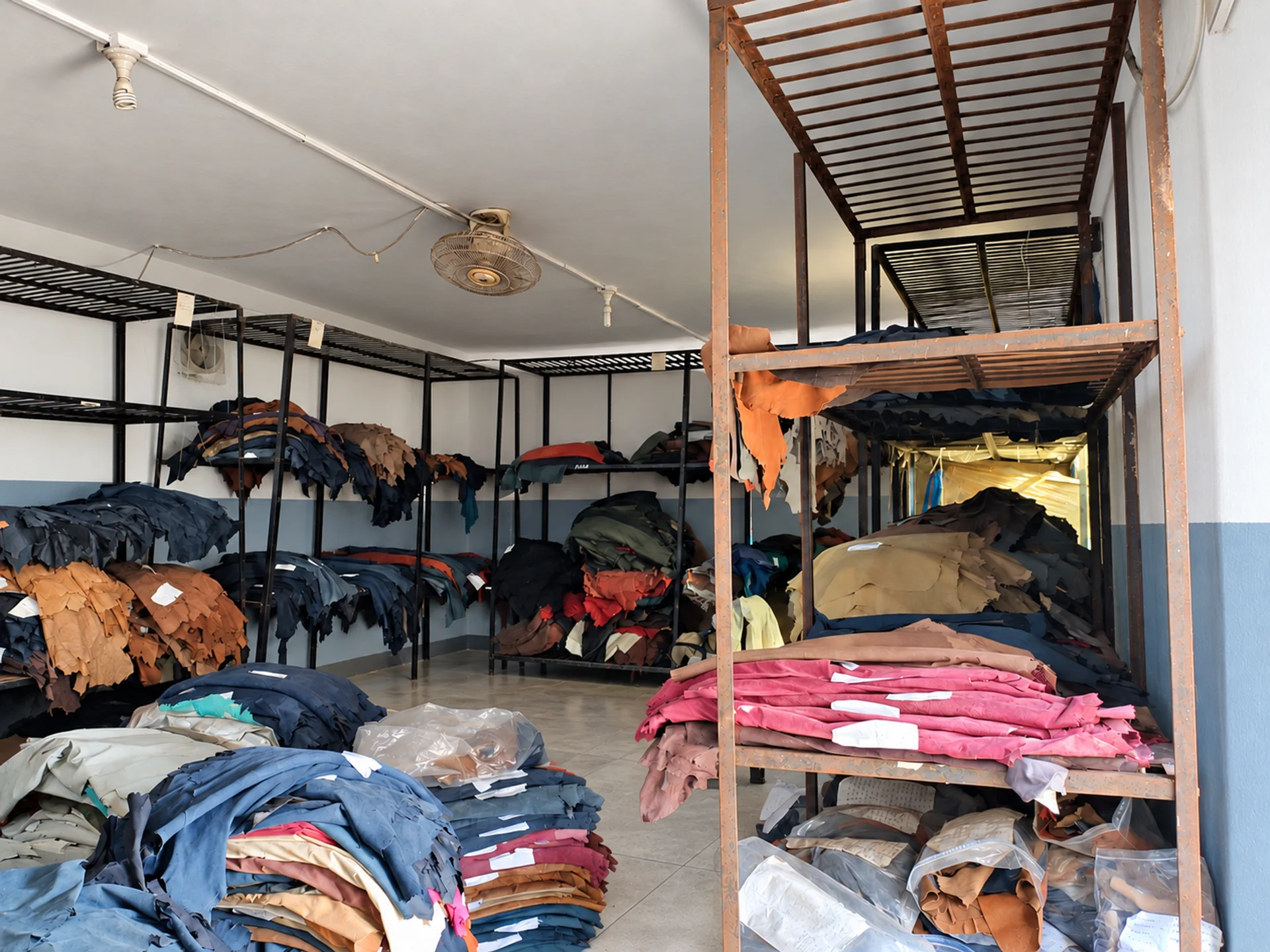
Trained cutters match grain, colour, thickness and stretch while protecting valuable hides from avoidable errors.
Leather specialists work in a respectful environment with competitive wages, lunch and tea provided by the company.
Problems are identified during development and production instead of being discovered only after a garment is finished.
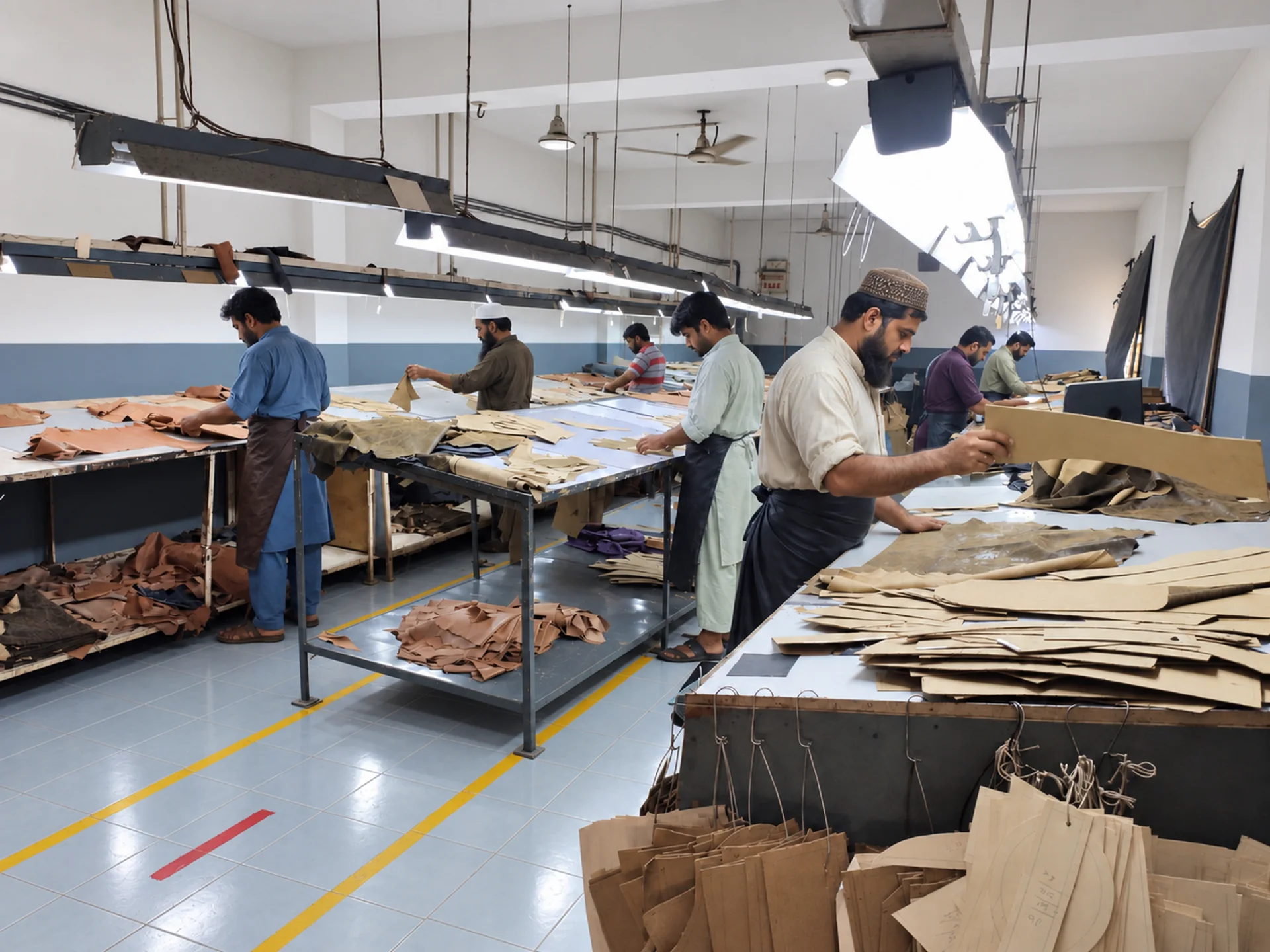
Pattern and cutting control
Our pattern master reviews measurements, seam allowances, construction, hardware placement and leather behaviour. If a requirement conflicts with production reality, we contact the buyer, explain the issue and agree on the correction before valuable leather is cut.
Professional cutters then match grain, colour, thickness and stretch across corresponding garment panels.
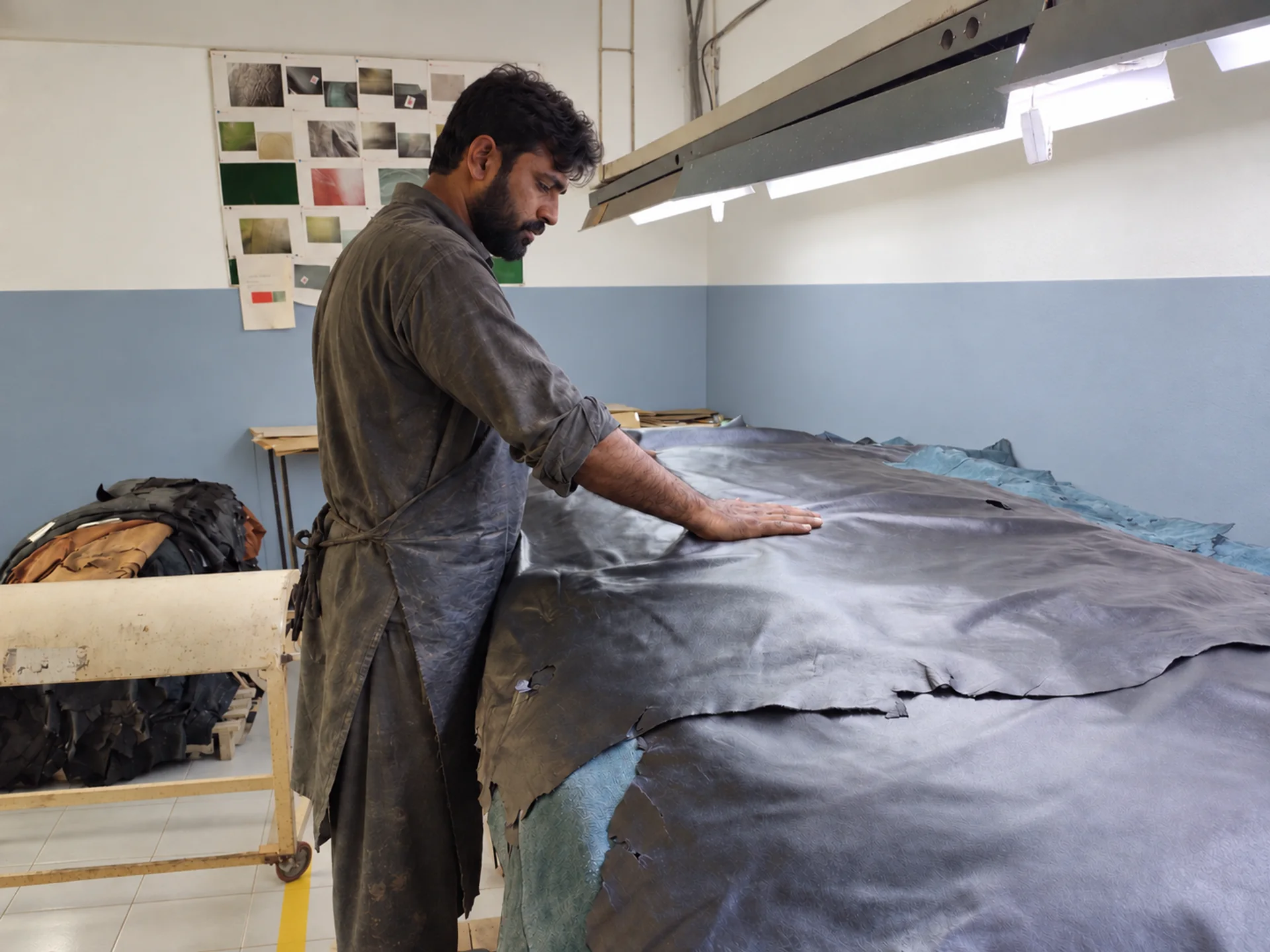
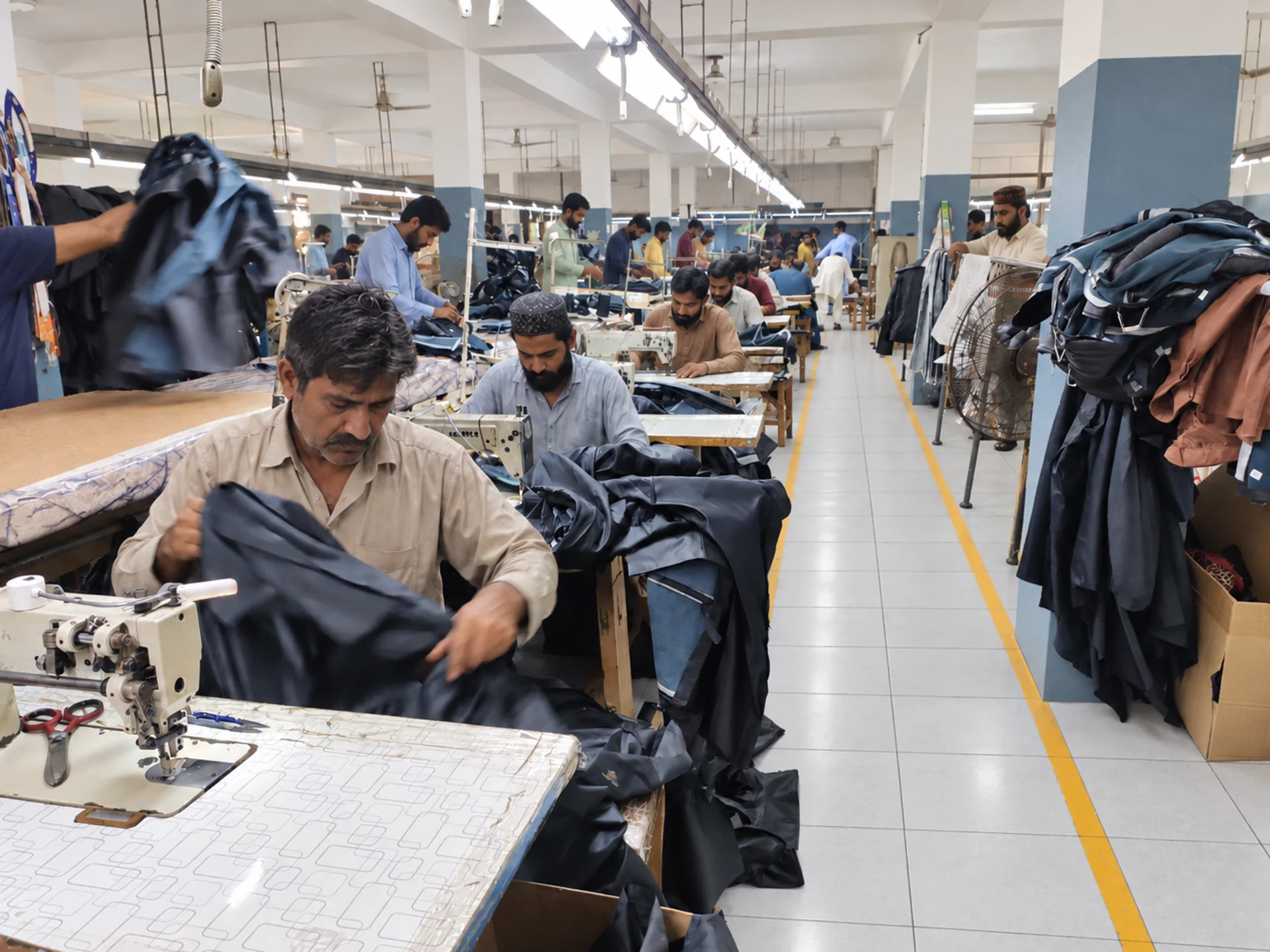
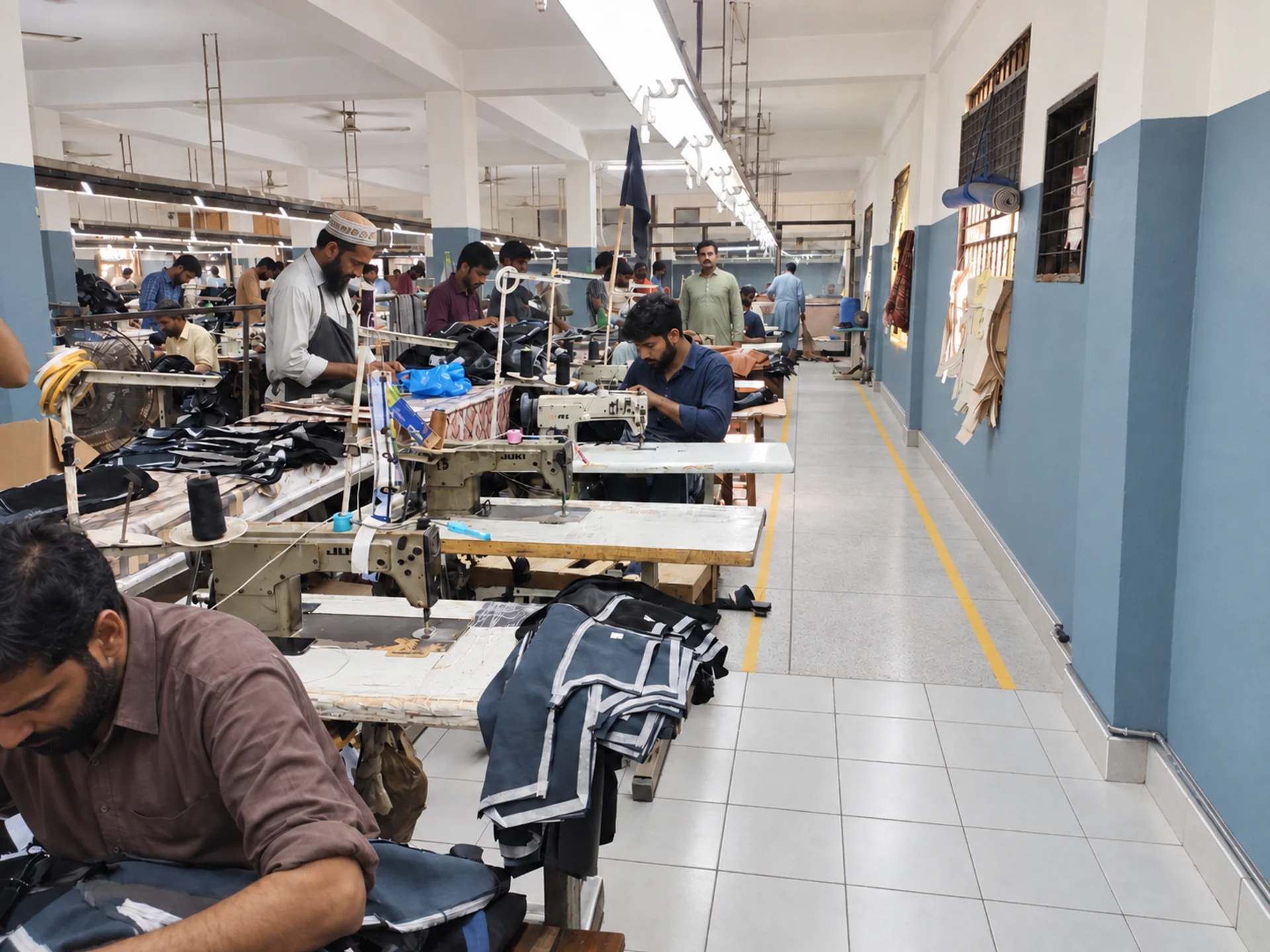
People and workmanship
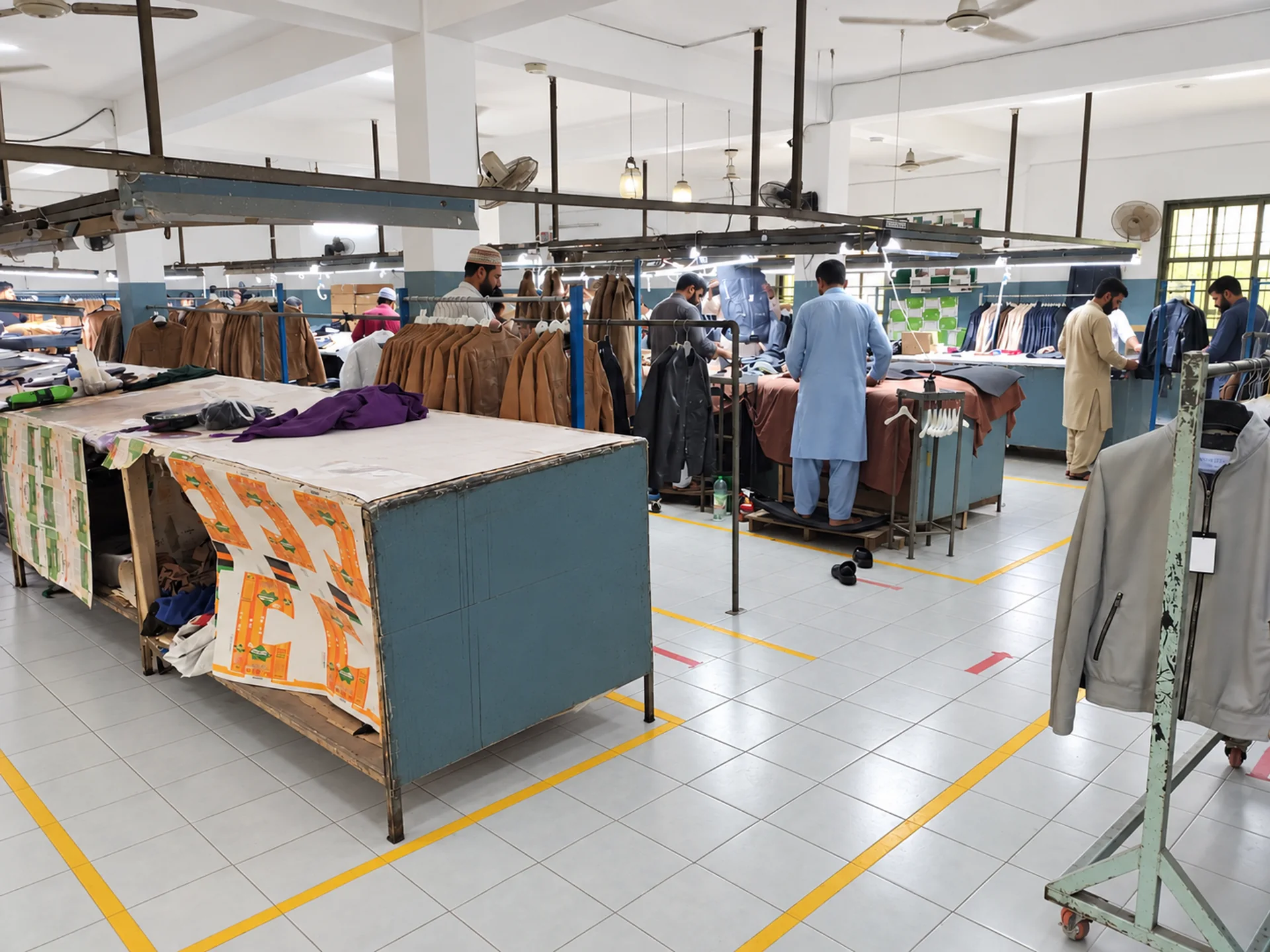
We hire leather specialists, pay competitive wages, provide lunch and tea, and work to maintain a respectful environment. A stable, valued team brings greater care, consistency and accountability to every garment.
The operational result