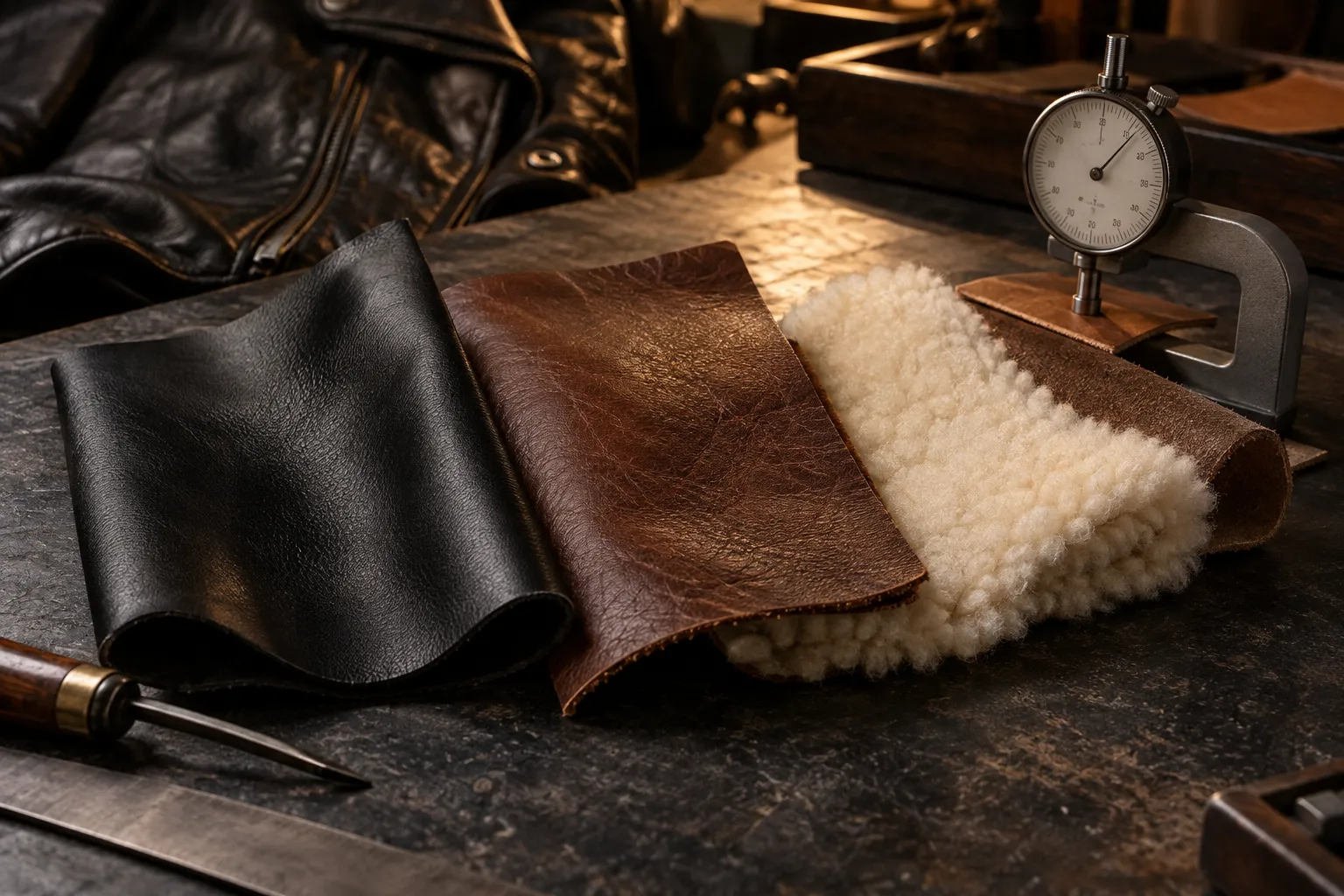
Start with the jacket, not a universal thickness number
A cropped fashion jacket, a rigid cafe racer and a shearling aviator ask different things of their material. Even at the same measured thickness, lambskin, cowhide and sheepskin can feel different because tannage, fiber structure, finish and temper affect how the leather bends. Thickness is one specification, not a shortcut for softness, strength or quality.
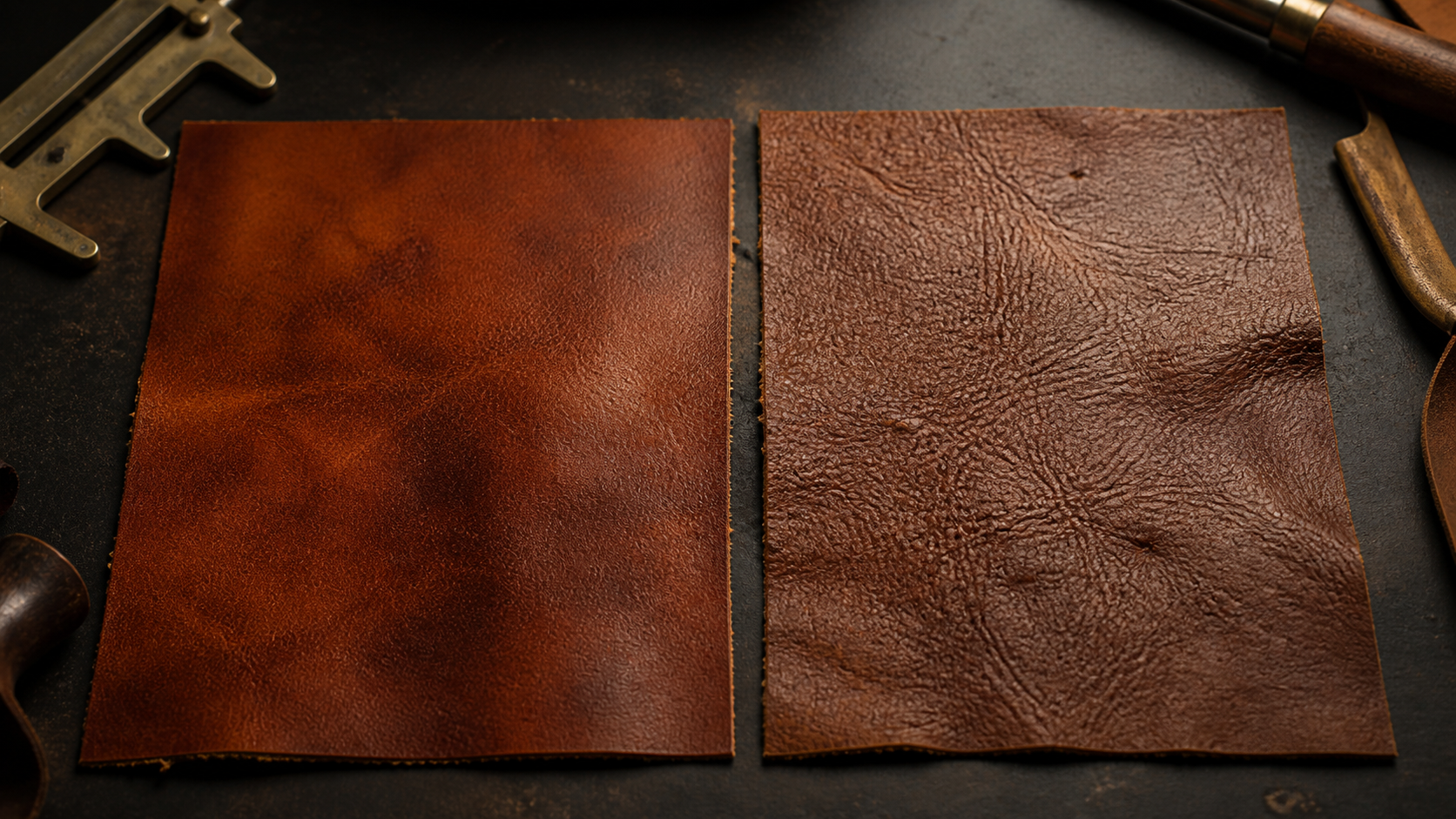
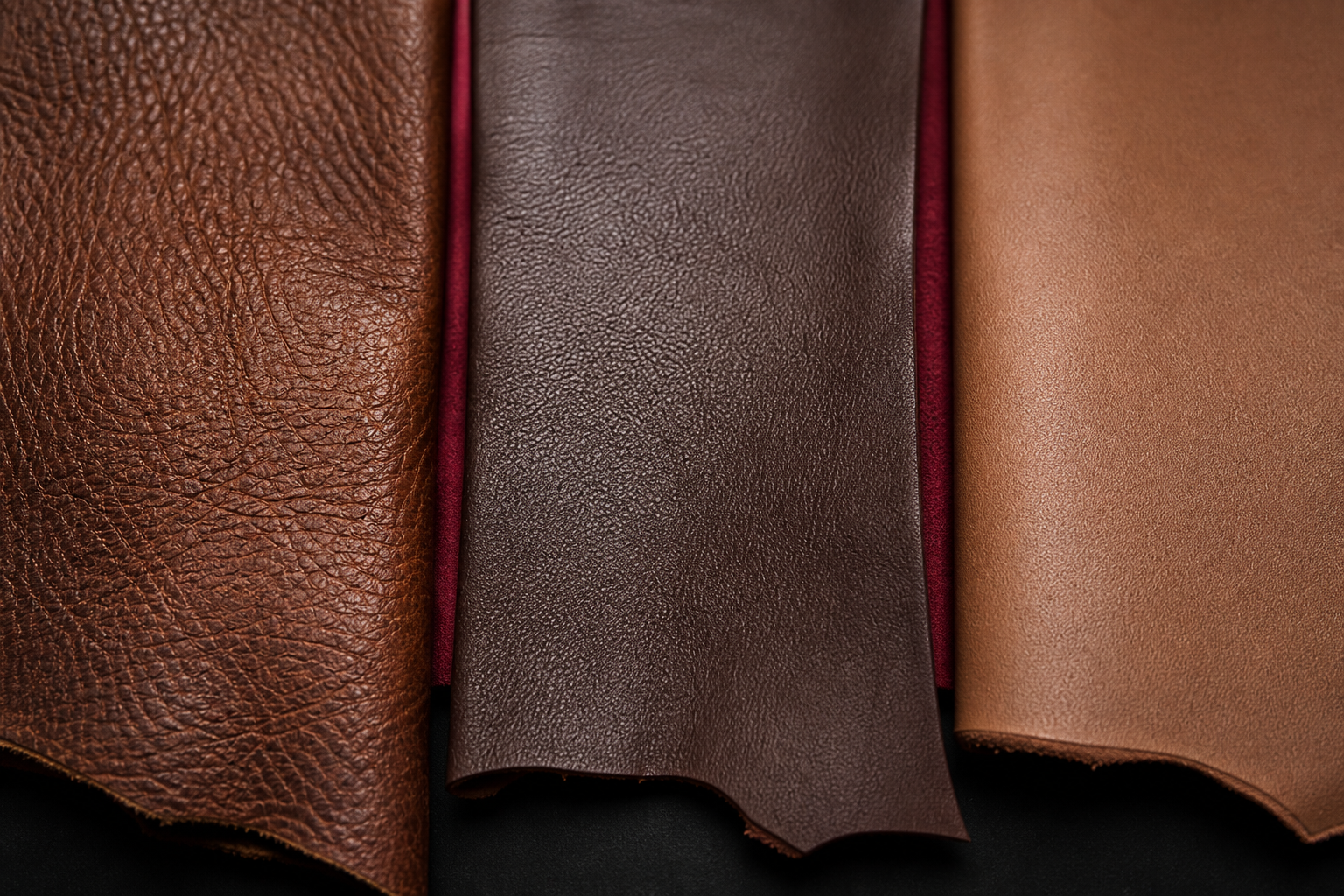
Ask for physical swatches in the proposed species, color and finish. Compare them against the silhouette, lining, hardware and target wearing season. Then approve a sewn sample. A flat swatch can look right while a finished sleeve feels stiff or a collar becomes bulky.
What does a leather thickness number mean?
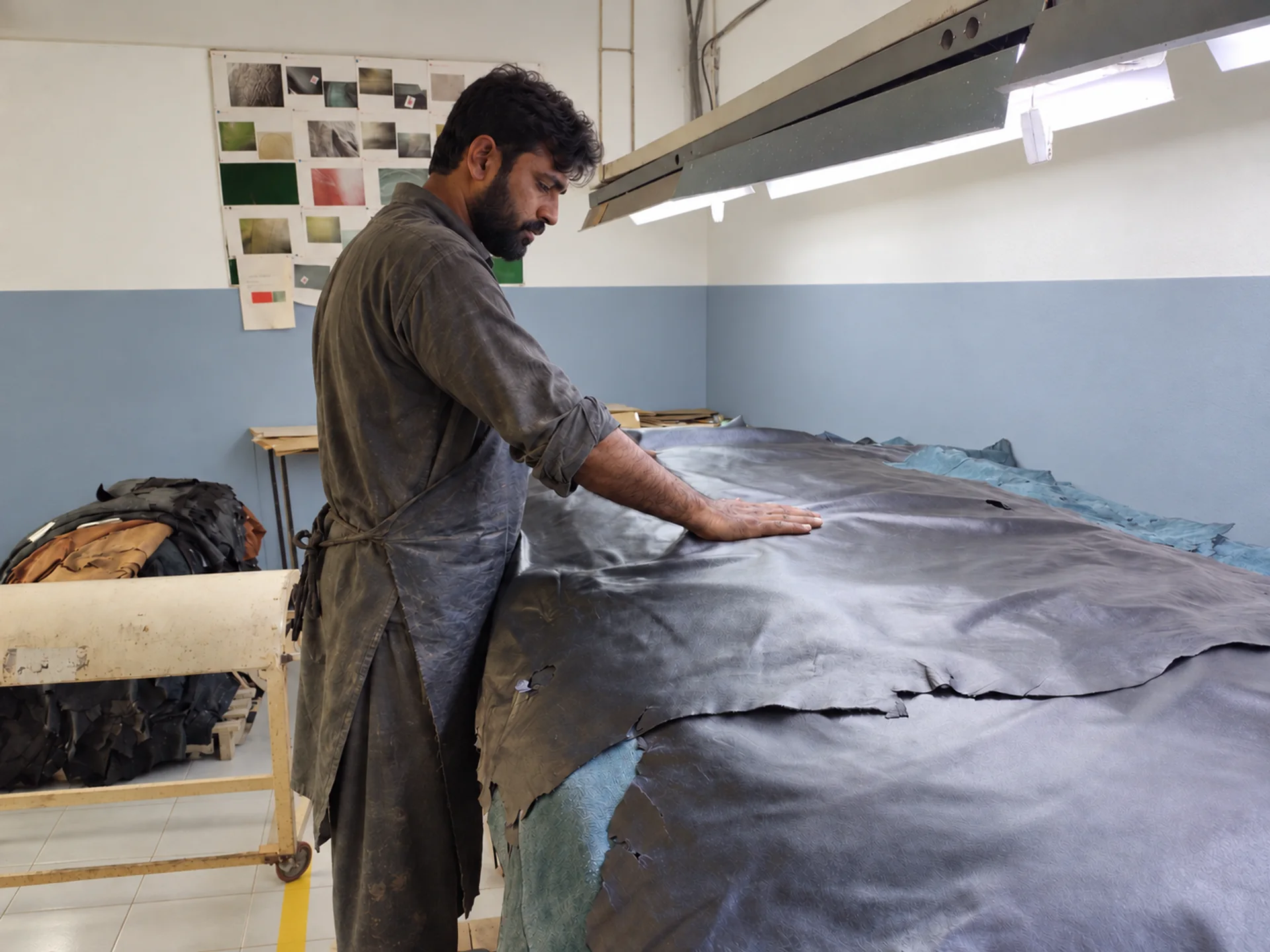
Leather is commonly specified in millimeters. A supplier may quote a band such as 0.8–1.0 mm or 1.1–1.3 mm rather than one exact figure because natural material varies. These numbers are examples of how to write a buying range, not recommended values for every jacket. Leather Naturally’s leather processing guide describes millimeters as the common unit and gives examples of thickness bands.
Ask whether the range describes the supplied finished leather, how samples are taken and how out-of-range areas will be handled. A tannery label, one spot measurement or a catalog photograph cannot establish consistency across all panels. ISO 2589:2016 describes a method for determining leather thickness; it does not prescribe the best thickness for any jacket style.
How the brief changes by jacket type
| Program | Priority | Buyer check |
|---|---|---|
| Fashion jacket | Drape, softness and ease of movement | Compare a light and a medium swatch in the intended finish; review the sewn sample for shape and seam bulk. |
| Biker-style fashion jacket | Structure at lapels, pockets and zip placket | Compare handle and panel appearance. A biker look alone does not establish protective performance. |
| Protective motorcycle garment | Documented garment performance for its intended market | Specify applicable testing, construction and protection requirements separately from thickness. |
| Shearling jacket | Leather-side body, wool pile and finished garment weight | Approve leather-side thickness and wool pile as separate specifications; assess seams and collar bulk. |
Fashion jackets: test drape on the sample
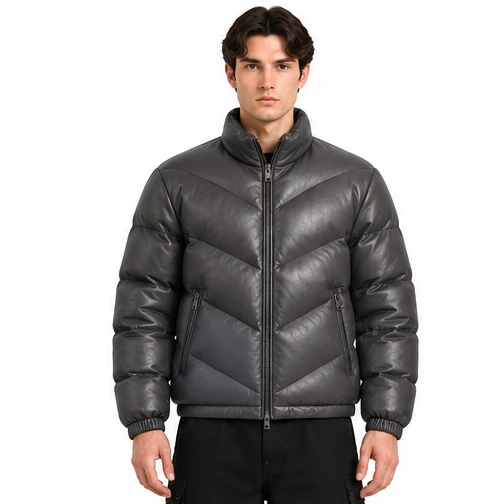
For a soft bomber or fitted womenswear style, start by asking for two swatches with different handles in the same proposed finish. A lighter option may give easier drape and less bulk at cuffs; a firmer option may hold a sharper silhouette. Check the sleeve bend, underarm, pocket opening, collar roll and hem after the sample is assembled. The chosen thickness should be recorded alongside the leather reference, lining and approved fit.
A fashion collection can use more than one hide in different styles. Do not copy a number from a skirt or glove specification into a jacket brief without reviewing the design. Our full-grain versus top-grain guide explains a separate material decision: surface character and processing.
Biker styling versus protective riding gear
A fashion biker jacket can use substantial lapels, a heavy-looking zip and structured panels without being certified protective clothing. For an actual motorcycle garment, thickness alone cannot demonstrate abrasion resistance, seam performance or impact protection. Define the intended use and required market standard before selecting the material. European protective garment requirements include the EN 17092 series; ask the supplier for evidence relevant to the garment and its target class instead of inferring performance from a thickness claim.
For both types, inspect whether panel thickness remains compatible with zipper installation, pocket welts, folded edges and sleeve articulation. Our biker jacket OEM guide covers construction decisions beyond leather choice.
Shearling: specify two sides of the material
Shearling adds a wool pile to the leather side, so one “overall thickness” figure can hide the distinction between the skin and the fleece. Request a reference for the leather-side body, an agreed wool pile appearance and length, and a finished sample showing collar, cuff and front closure bulk. Ask whether the collar or hem is shaved, trimmed or bound differently from the body.
Assess the completed jacket’s weight and movement, especially at shoulder seams and lapels. Matching leather-side thickness does not guarantee that two shearling lots will look or feel the same if the wool differs. See our shearling aviator development guide for additional construction questions.
How to compare swatches before paying for a sample
- Define the use: fashion outerwear or protective riding gear, target climate, silhouette and expected hand feel.
- Request matched alternatives: ask for the same finish and color where possible, with each swatch labeled by supplier reference, species and thickness band.
- Measure consistently: record several locations on representative material and agree the measurement method and acceptable variation with the supplier.
- Check the surface: compare grain, scars, shade, finish and stretch as well as the gauge reading.
- Test the construction: sew a representative seam or full sample, then review fold bulk, drape, hardware attachment and fit.
- Seal the decision: retain an approved swatch and sample, with a dated specification that bulk production can be checked against.
When a proposed substitute differs, approve it through another swatch and, if the difference affects fit or construction, a revised sample. Do not accept “same thickness” as proof that the replacement will wear or look the same.
Put the range into the tech pack and quotation
A useful material line identifies species, supplier or article number, finish, color, target thickness band, measurement method, permitted variation, visible-panel matching standard and approved physical reference. Note any different material for sleeves, trim or reinforcement. The leather jacket tech pack guide shows where to record these decisions alongside measurements, lining and hardware.
Ask the factory to price the selected option and any alternate separately. Hide availability, usable cutting area and panel matching may change the quotation even when two swatches have similar thickness. Use the manufacturing cost guide to compare complete quotes, and the QC checklist to plan the bulk inspection.
Questions buyers often ask
Is thicker leather automatically better?
No. A thicker hide may help a structured shape but can add weight and seam bulk. Material strength, finish, construction and the jacket’s intended use must also be considered.
Can one thickness work for fashion and motorcycle jackets?
It may be possible for a material to appear in both designs, but a motorcycle garment needs its own performance specification and evidence. Do not describe a fashion jacket as protective based on material thickness alone.
Should shearling include the fleece in its thickness number?
Agree exactly what is being measured. Record leather-side thickness and wool pile characteristics separately so a buyer and supplier are comparing the same material.
Send a sample-ready leather brief
Share the intended jacket style, destination market, quantity, references and target feel with Hashbloom International. Ask for labeled leather swatches and a sample plan before locking the hide. You can attach your tech pack or start with an RFQ for leather jackets. The final specification should reflect an approved physical sample and the supplier’s actual material availability.