Why every leather article needs controlled processing
Cow, buffalo, goat, sheep, and lamb skins differ in fibre density, grain character, thickness, strength, and usable area. A garment nappa, boot upper, bag leather, glove leather, and motorcycle article therefore cannot share one universal recipe. The tannery balances softness, body, strength, colour, surface protection, and cutting yield at every wet-end and finishing stage.
Wet-end control
pH · time · temperature
Thickness
Set to end use
Release checks
Colour · grain · strength
Compliance
Chemicals · water · traceability
The complete 10-stage process
Preservation & intake
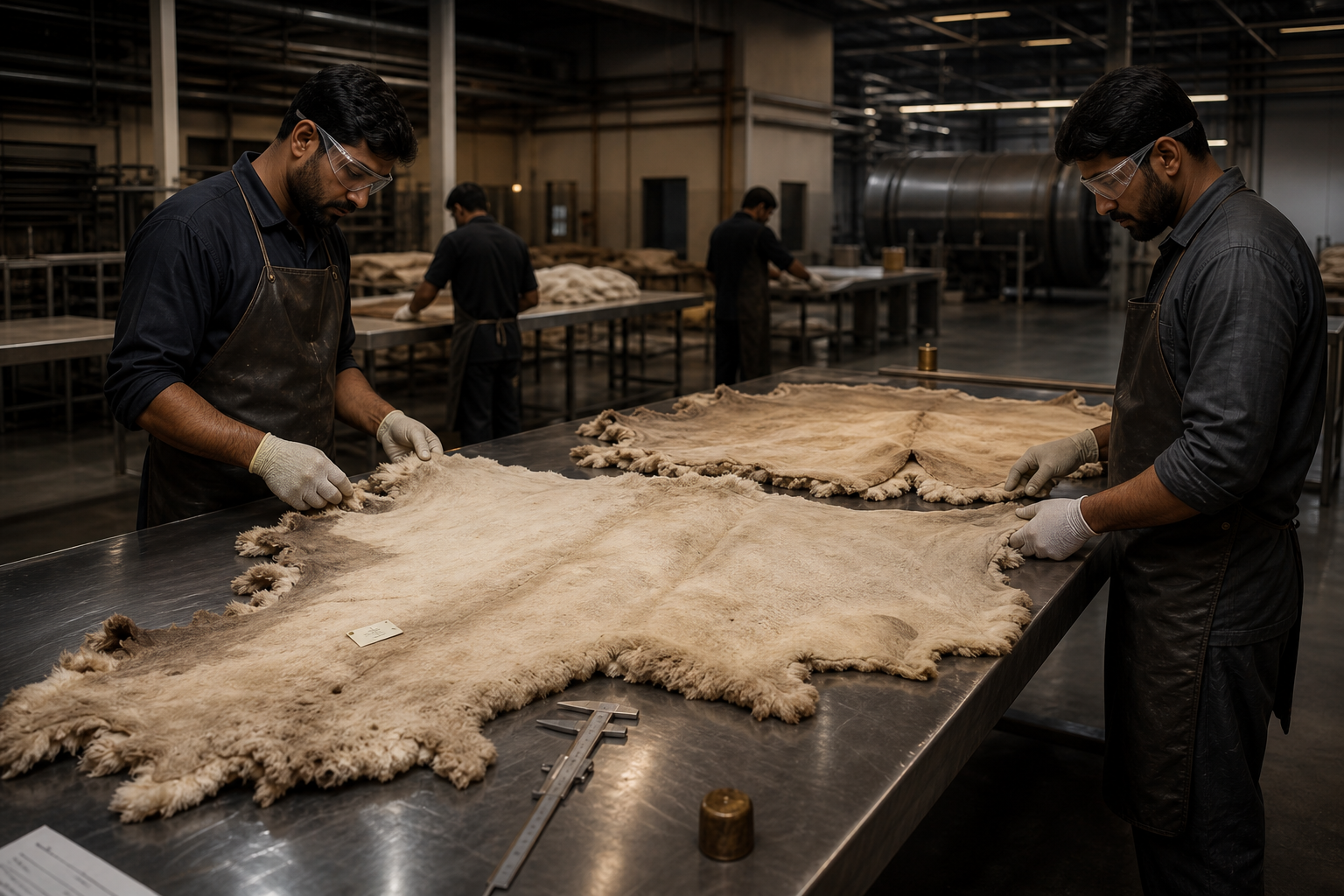
Incoming skins are identified, counted, inspected, and preserved so bacterial damage does not weaken the grain before processing.
Soaking
Controlled washing restores moisture, removes salt and surface dirt, and prepares the skin for uniform chemical penetration.
Liming & unhairing
Hair and unwanted proteins are removed while the fibre structure is opened. Time, pH, and mechanical action must be controlled to protect the fine grain.
Fleshing & trimming
Residual tissue is mechanically removed and irregular edges are trimmed to create a clean, workable pelt.
Deliming, bating & pickling
Alkalinity is reduced, the fibre is cleaned and softened, and acidity is adjusted to prepare the pelt for its selected tanning system.
Tanning
Chrome, chrome-free, vegetable, or combination tanning stabilizes the collagen so the material resists decay, heat, and repeated use.
Sammying, splitting & shaving
Excess water is pressed out, unwanted layers are split away where required, and thickness is calibrated to the product specification.
Retanning, dyeing & fatliquoring
Drum recipes set body, colour, softness, tear behaviour, and handle. Fatliquors lubricate fibres so the leather remains supple after drying.
Drying & mechanical softening
Toggle, vacuum, or controlled air drying is followed by staking or milling to open the fibre structure and achieve the required touch.
Finishing, grading & release
Protective coats, aniline effects, embossing, or polishing are applied as specified, followed by colour, thickness, grain, rub, and defect checks.
Tanning and wet-end formulation
Tanning converts a perishable collagen structure into stable leather. The best system depends on the product brief rather than a single universal recipe. Chrome tanning is widely used where very soft handle, light weight, colour range, and heat stability are priorities. Chrome-free systems can meet particular brand or market requirements, while vegetable or combination systems introduce more body and a different ageing character. The specification should name the required performance and compliance outcome instead of relying only on a marketing label.
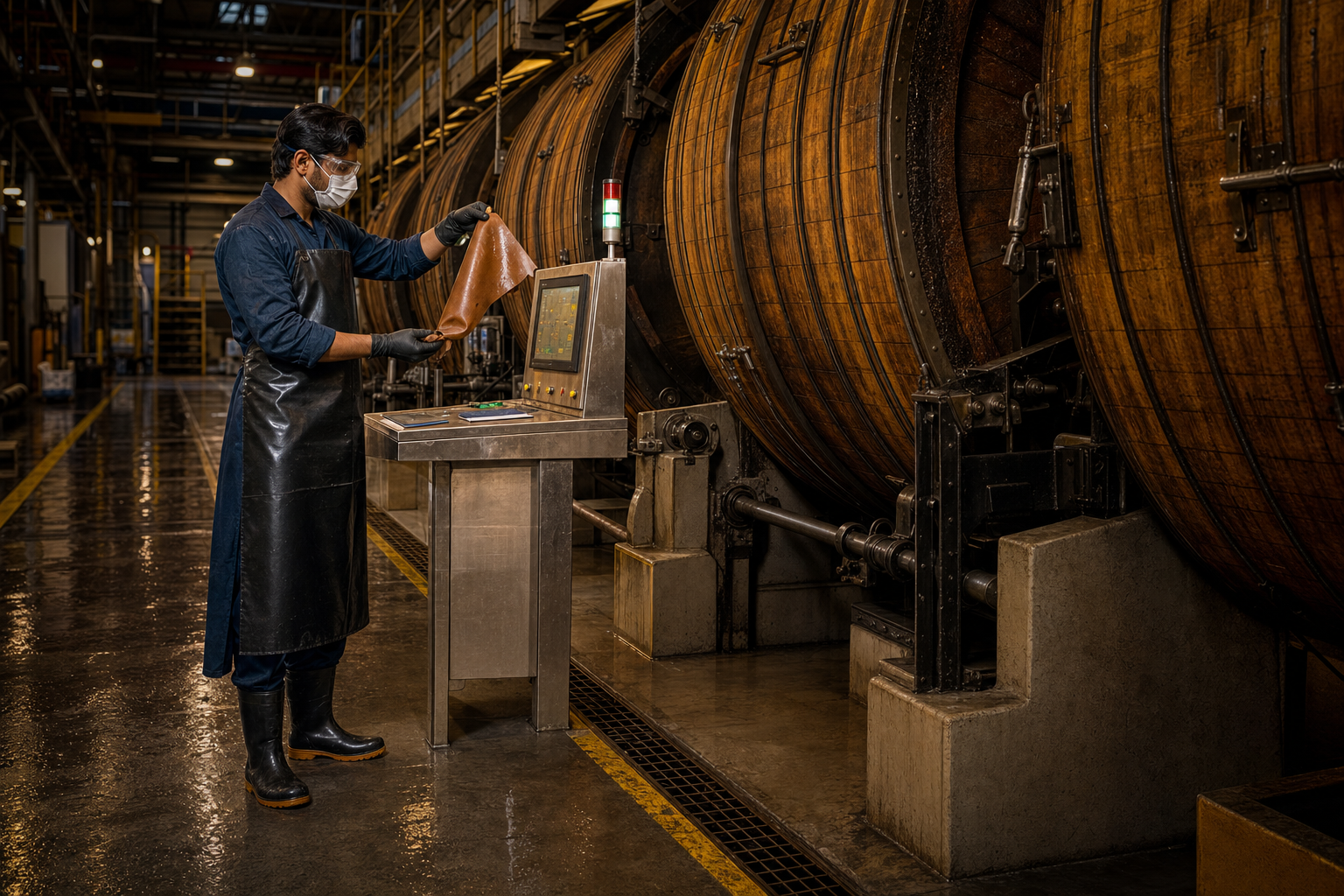
After primary tanning, retanning agents refine fullness, firmness, grain character, and performance. Dyeing develops the through-colour or base shade, and fatliquoring introduces lubricating oils between fibres. A well-balanced recipe delivers the intended handle without making the leather boardy, greasy, loose, or weak.
Drying, staking, milling, and finishing
Drying method influences both appearance and handle. Vacuum drying can create a flatter, cleaner surface; toggle drying controls area and shape; hang or controlled-air drying may preserve a more natural character. Once the moisture level is correct, staking mechanically flexes the leather to soften it. Dry milling can further relax the fibre and develop a pebbled grain, but excessive milling may distort the surface or reduce panel yield.
The finishing system is then matched to the article. Aniline finishes leave the natural grain most visible but require cleaner skins. Semi-aniline finishing adds light protection while retaining natural character. Pigmented finishes improve colour uniformity and coverage. Matte, waxy, pull-up, polished, embossed, suede, and washable effects all require different recipes and performance checks.
Final grading and laboratory checks
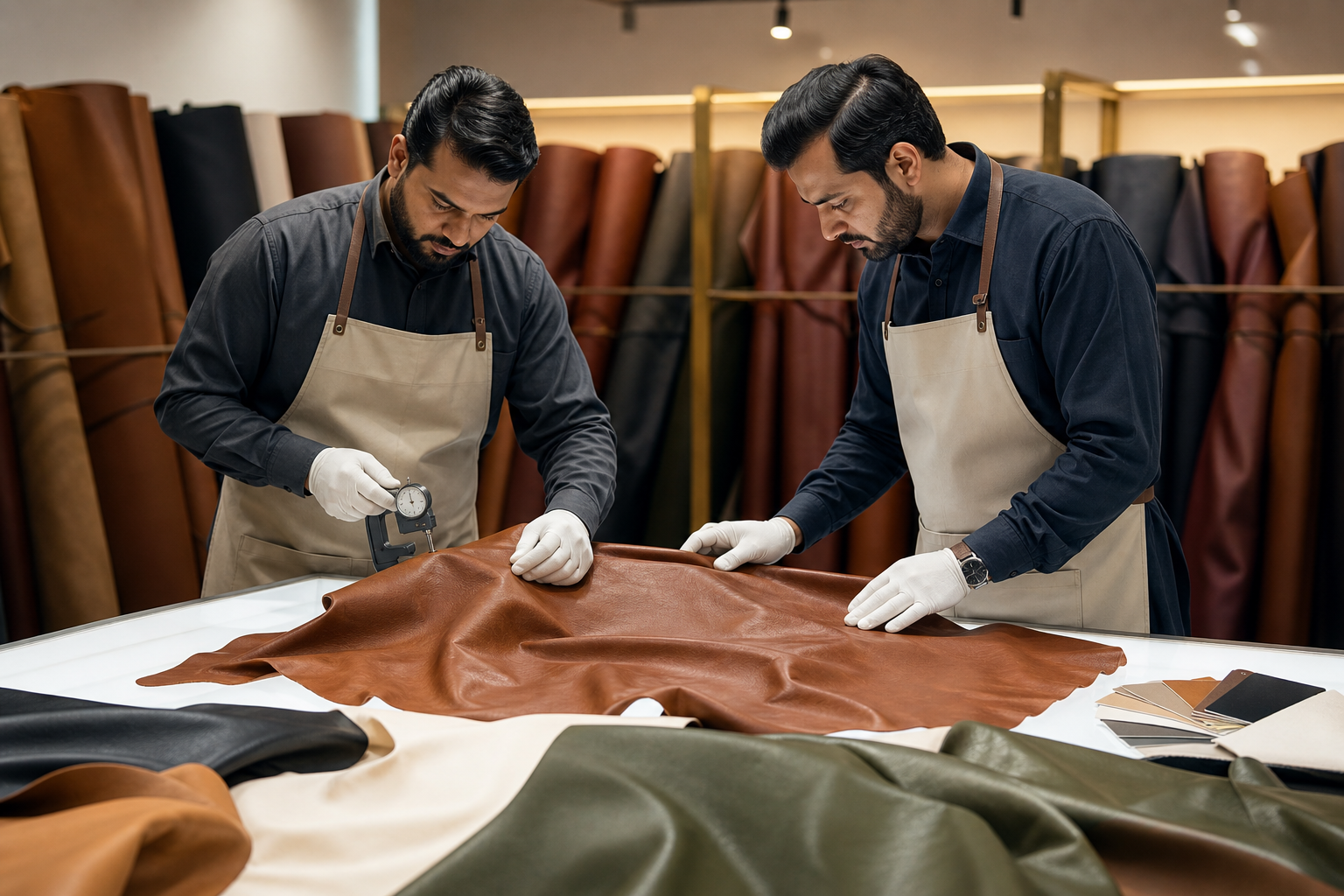
Finished skins are graded under consistent lighting for shade, grain cleanliness, scars, holes, loose areas, finish defects, and usable cutting area. Thickness is checked at multiple points rather than one convenient location. Depending on the product and destination market, a buyer may also require physical and chemical testing through an accredited laboratory.
- Tear and tensile behaviour appropriate to lightweight leather
- Seam strength and resistance to stitch tearing
- Dry and wet rub fastness, plus perspiration fastness for apparel
- Flex resistance, finish adhesion, and cold-crack performance where relevant
- Colour matching under an agreed light source
- Restricted-substance compliance against the buyer's current specification
What buyers should include in a leather specification
“Premium soft leather” is not a production specification. A useful brief identifies the species, article, end use, measurable boundaries, and an approved physical reference. Approve a leather cutting or full hide alongside the product sample, record the article code and lot, and define which natural variations are acceptable.
- Species and article: cow, buffalo, goat, sheep, or lamb; full-grain, corrected-grain, nappa, suede, nubuck, or another defined finish
- Average thickness and permitted tolerance, measured across representative areas
- Colour standard, gloss level, touch, drape, and acceptable shade variation
- Physical-performance targets such as tear strength, seam strength, flexing, and colour fastness
- Restricted-substance and chemical-compliance requirements for the destination market
- Usable-area expectations, defect allowance, batch traceability, and lot-to-lot consistency
Environmental and worker-safety controls
Responsible production requires chemical inventory control, documented recipes, suitable personal protective equipment, safe storage and dosing, water-use monitoring, and effective effluent treatment. Brands should request current facility evidence and test documentation rather than assuming that a leather label alone proves environmental performance. Traceability should connect the delivered lot to its supplier, process recipe, colour standard, and release record.
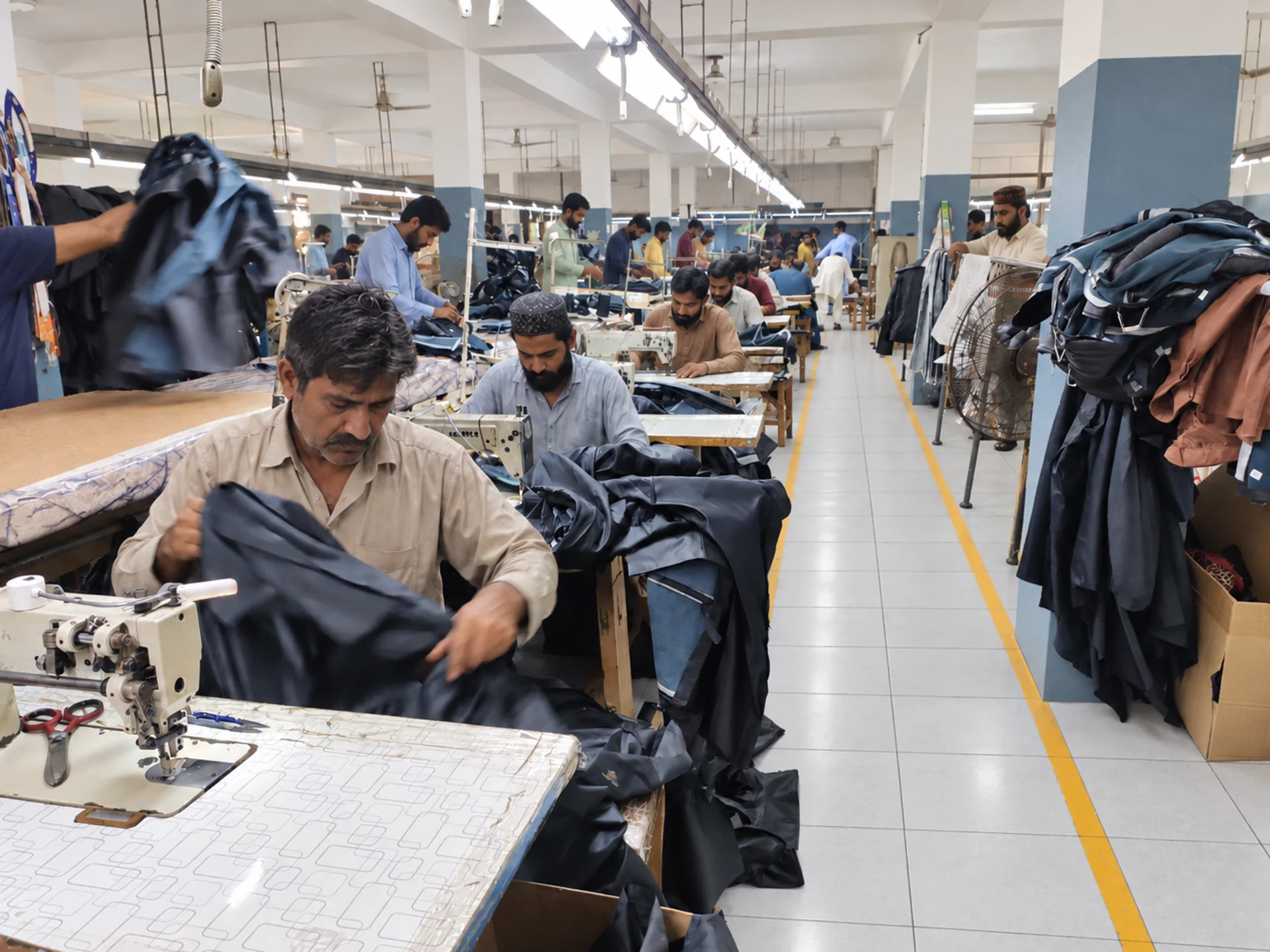
From finished leather to garment production
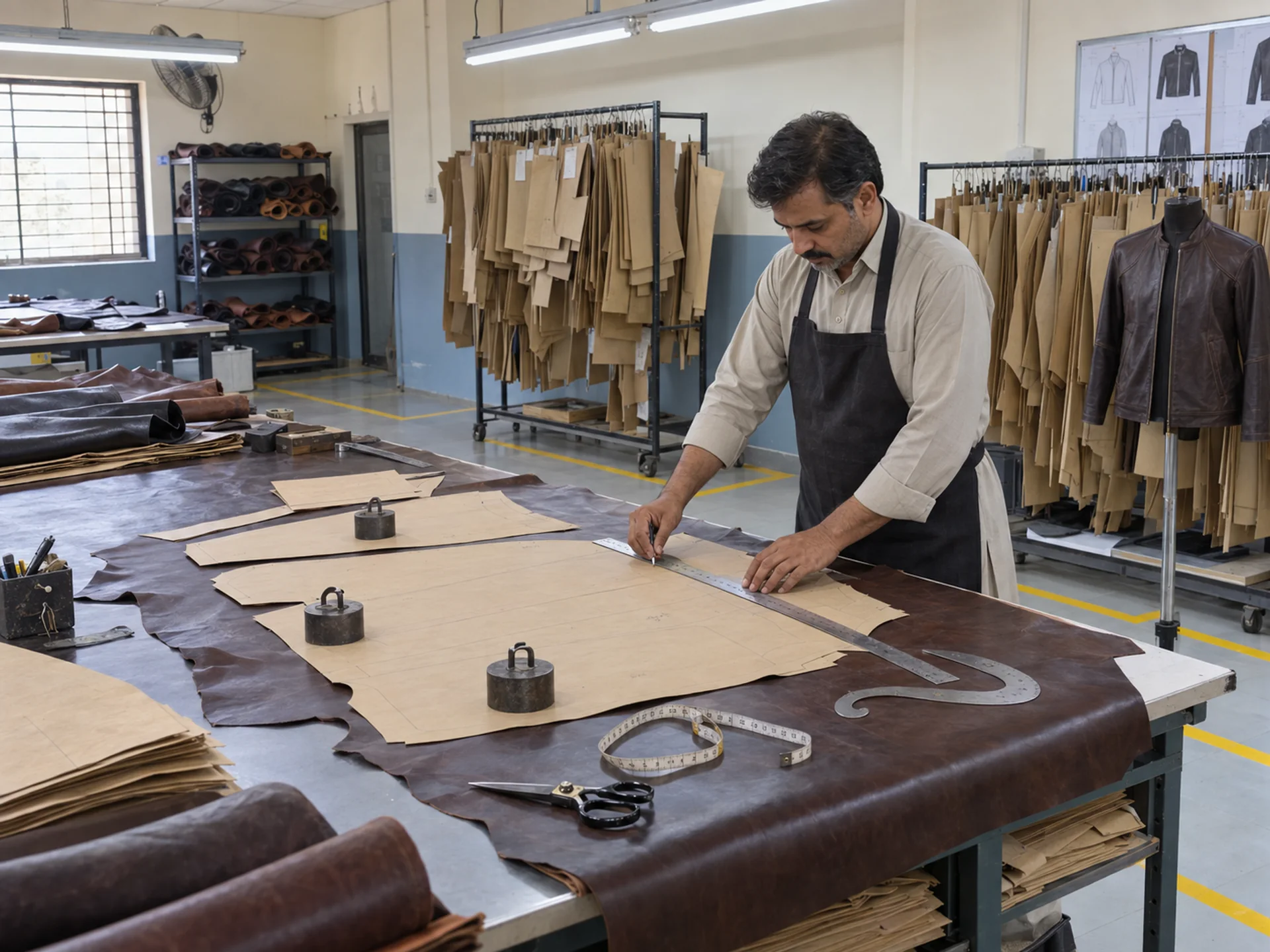
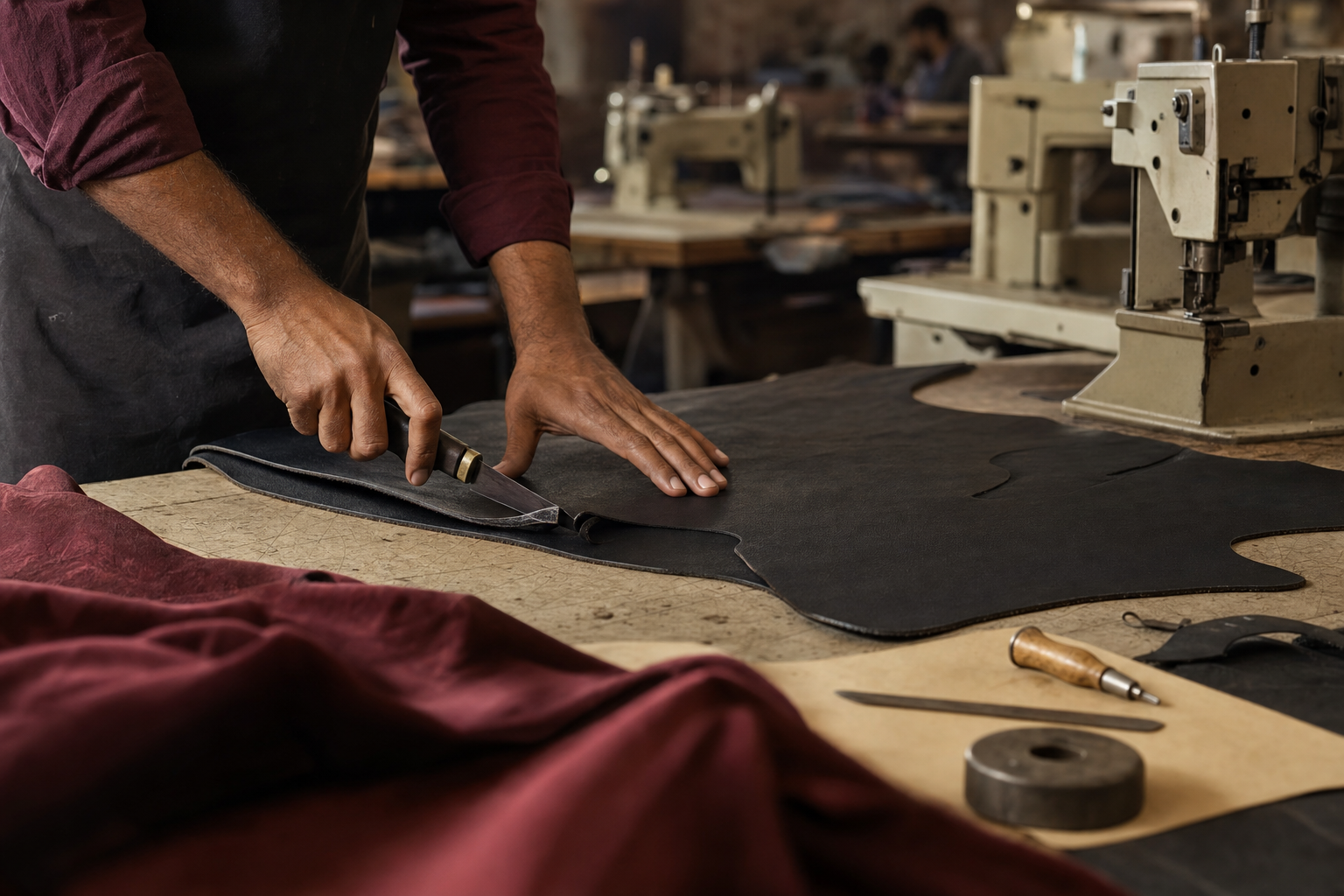
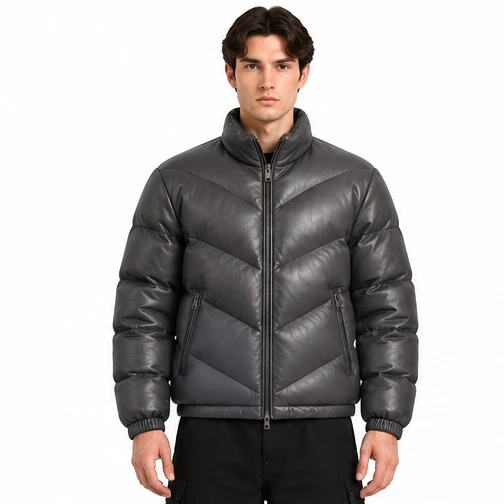
Once released, finished leather moves to shade sorting, panel allocation, pattern nesting, cutting, skiving, reinforcement, sewing, lining, pressing, and final product inspection. Because natural hides vary, the factory must keep visible panels within a compatible shade and grain group. The approved leather standard should remain available at cutting and final QC—not only during sampling.